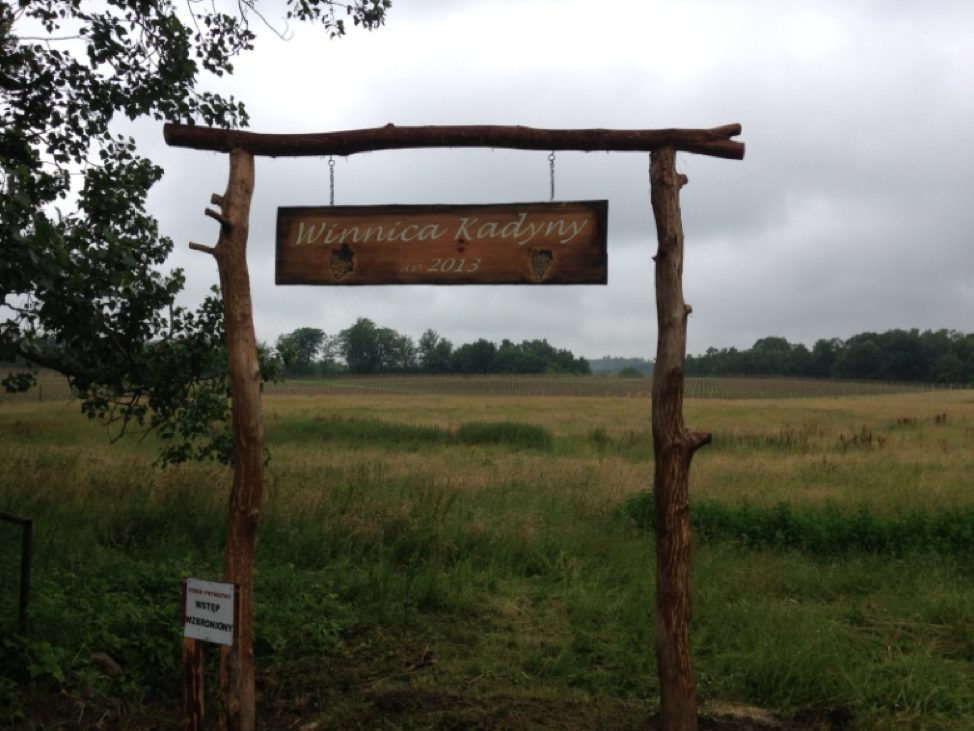
[:pl]Winnica Kadyny została usytuowana na północy Polski w miejscowości Kadyny koło Elbląga, 3 km od Mierzei Wiślanej, zasadzona w maju 2013 roku. Każda z 16 tysięcy sadzonek została podlana 5 litrami wody żywej. Generalnie miejsce całkowicie nie nadające się dla winnicy…, a jednak. Właśnie na tym polegał ten śmiały eksperyment. Dzięki żywej wodzie sadzonki dostosowały się do trudnych warunków, nawet zimowych, gdy temperatury spadały poniżej -30°C. Już w pierwszych miesiącach był widoczny silny wzrost, znacznie większy niż w podobnych winnicach usytuowanych w lepszych regionach Polski. Po pierwszej zimie było wiadomo, że winorośle radzą sobie doskonale. Kolejne miesiące i lata 2014/2015/2016 pokazały, że winorośle nie tylko wspaniale sobie radzą, ale świetnie rosną i owocują. Czekaliśmy na najważniejszy dla nas dzień – winobranie.
Pierwsze winobranie odbyło się w październiku 2017 roku, wina obecnie są na etapie dojrzewania, ale już dziś widać ich bardzo silny potencjał. W trakcie fermentacji wina były uzdatniane technologią Żywej wody, co zasadniczo zmieniło znany cykl produkcyjny wina. Zobaczymy co pokażą międzynarodowe konkursy wina, bo z pewnością się na nie nadają. Wygląda na to że mamy nowy gatunek win, Wina Żywe.
Gatunki jakie posadziliśmy:
Leon Millot – (V.riparia x V.rupestris x Goldriesling) 1800 sztuk
Swenson Red (synonim Elmer) – (E.S. 56 x Seibel 11 803) 240 sztuk
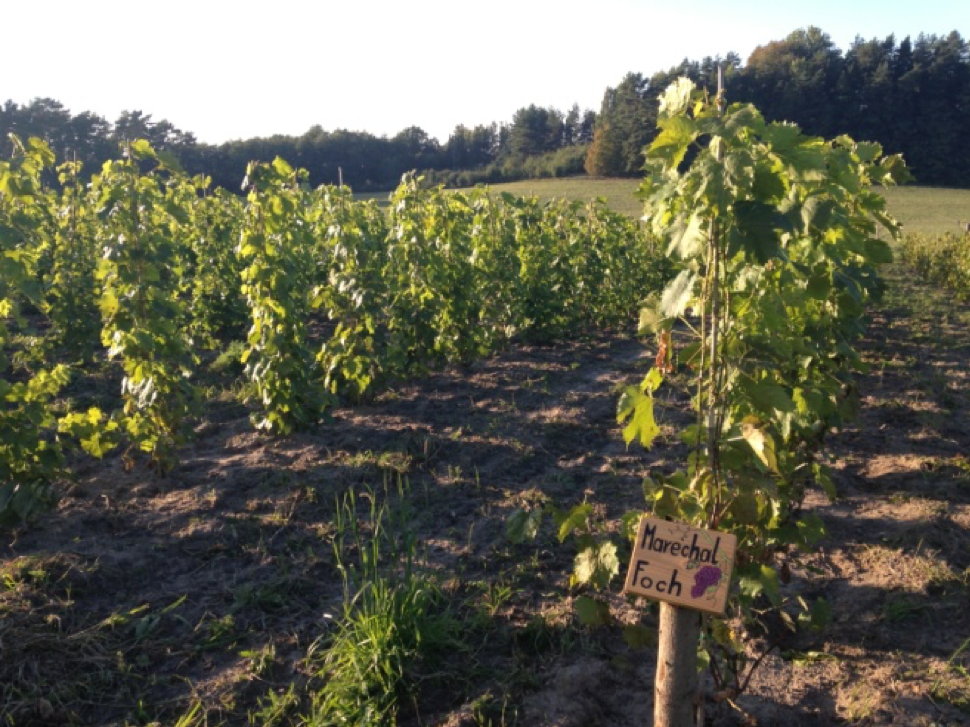
Marechal Foch – (V.riparia x V.rupestris x Goldriesling) 3000 sztuk
Regent – (Diana x Chambourcin) 2176 sztuk
Rondo – (Zaria Siewiera x Saint Laurent) 1320 sztuk
Aurora – (Seibel 788 x Seibel 29) 1054 sztuk
Bianca – (Seyve-Villard 12-375 x Bouvier) 2160 sztuk
Johanniter – [(Riesling x Seyve Villard 12 481) x (Pinot Gris x Chrupka)] 1627 sztuk
Solaris – [Merzling x (Zaria Siewiera x Muskat Ottonel) 2417 sztuk
Po spotkaniu z Masaru Emoto po powrocie do Polski przygotowałem wszystko zgodnie z tym co przekazał mi na spotkaniu i w maju 2013 rozpoczęliśmy sadzenie winnicy Kadyny.
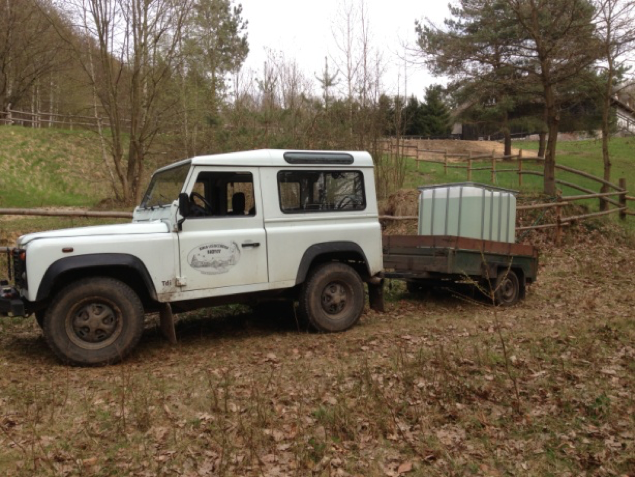
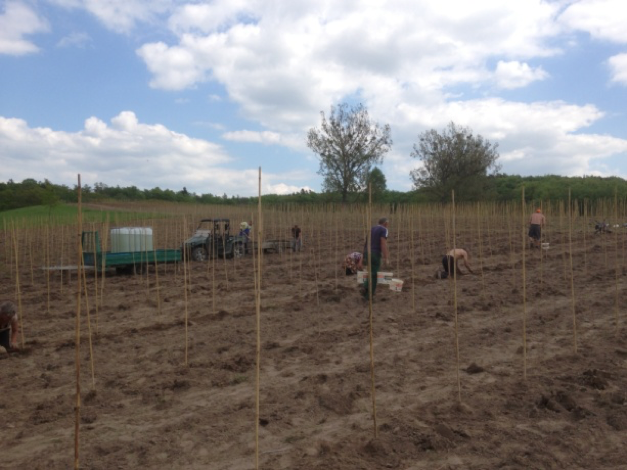
Co prawda to było niemałe wyzwanie, winnica ma 16 tysięcy sadzonek x 5 litrów wody pod każdą z nich, jak łatwo policzyć trzeba było przygotować łącznie 80 tysięcy litrów wody. Sam osobiście pilnowałem, aby nikt nie użył innej wody niż ta specjalna.
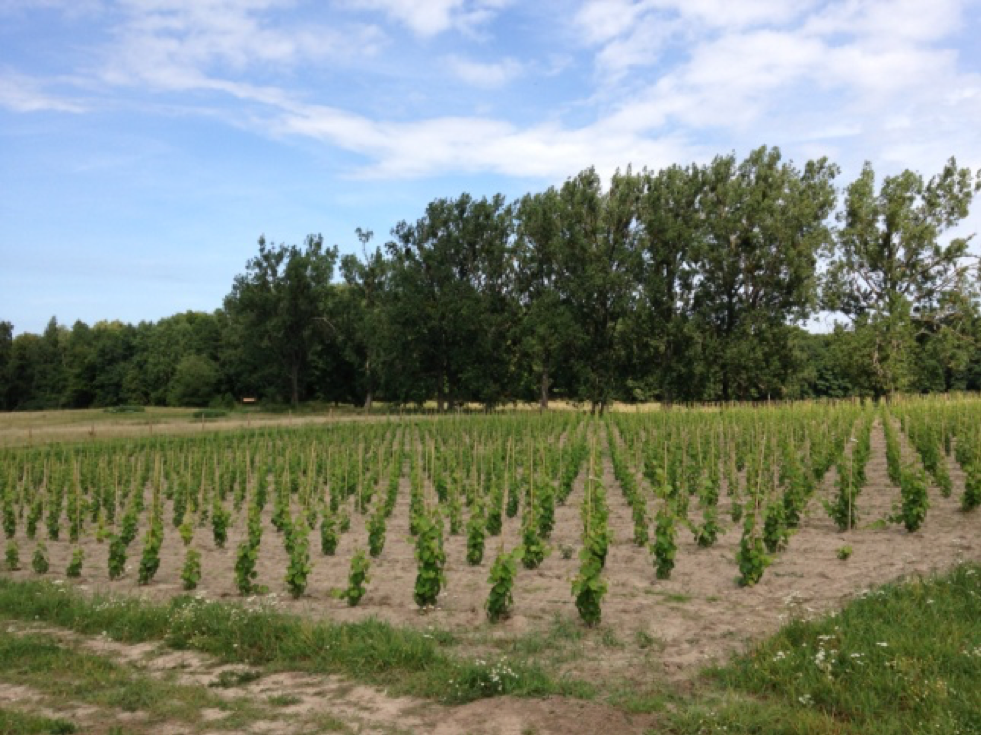
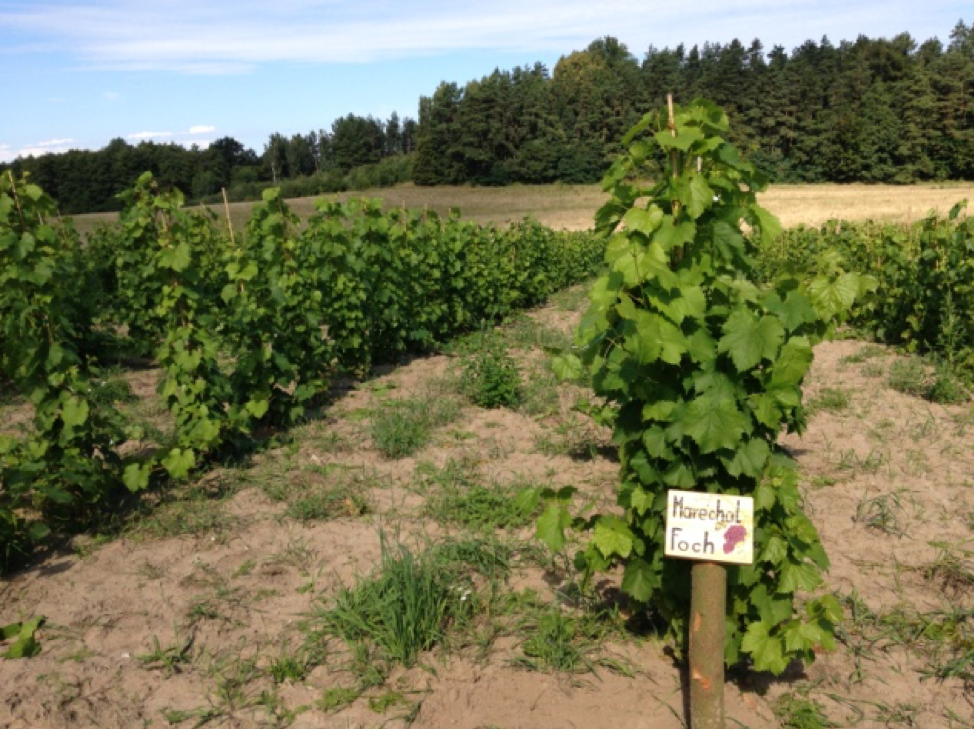
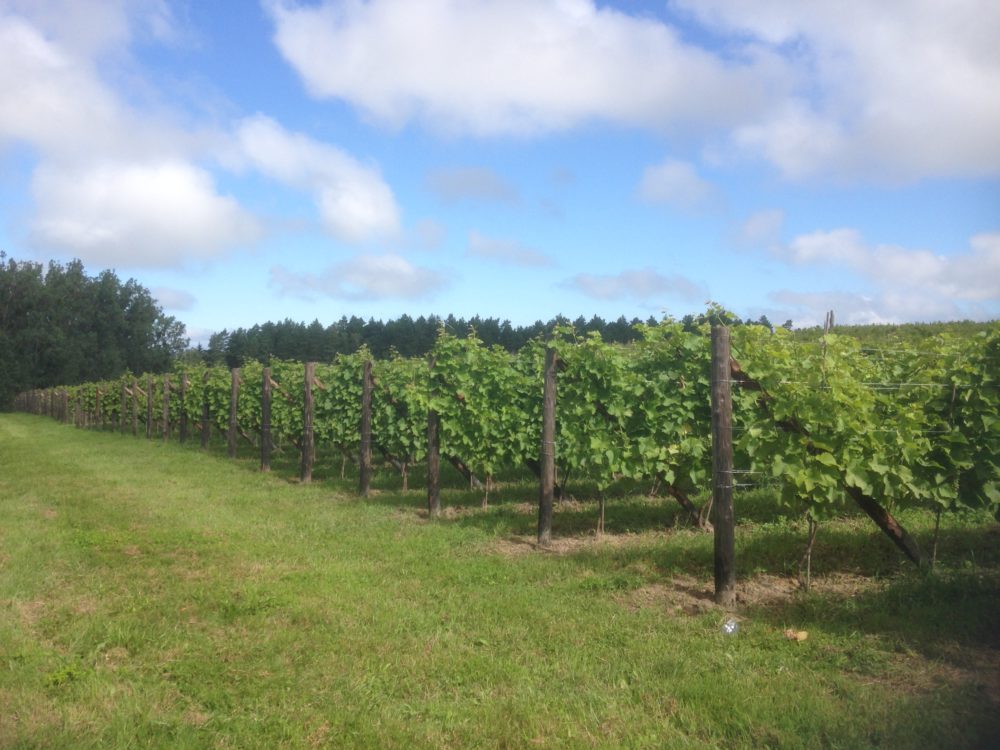
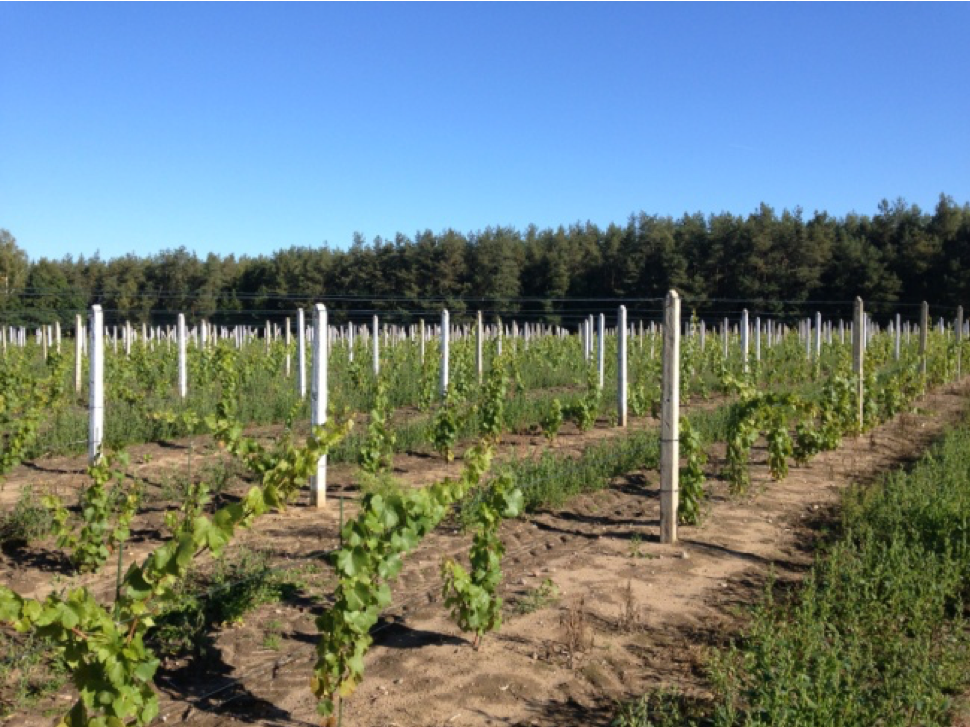
Po kilu miesiącach winorośle urosły do ponad 3 metrów i trzeba było je przycinać, dla porównania winnica pod Warszawą w miejscowości Grójec sadzona w tym samym czasie urosła do wysokości 1 metra. Zrozumiałem wtedy, jak niebywałą wiedzę przekazał mi Emoto, przecież to jest wielka szansa, aby tę wiedzę wykorzystać – pomyślałem. Oceńcie sami, poniżej zdjęcia z winnic, dla porównania.

Po tym niezwykłym dla mnie wydarzeniu zacząłem prowadzić własne badania i choć z naukowego punku widzenia nie są oparte na nauce, którą znamy, pokazują wodę w innym zupełnie świetle. Tradycyjna nauka ze swoim konwencjonalnym rozumowaniem to zbyt mało, aby wejść w niewidzialny świat wody. To co widzimy i możemy zaobserwować to zaledwie ułamek procenta tego, czym jest tak naprawdę jest woda dla nas i naszej planety. Po prostu nie doceniamy wody.
Kolejnym eksperymentem, jaki wykonałem była 14-metrowa grządka, na której zostały posadzone ogórki gruntowe, podlewane wodą o prawidłowej strukturze. Na tak niewielkim kawałku ziemi wyrosło ponad 100 kilogramów ogórków o wspaniałym smaku, nawet te przerośnięte nie były puste w środku, co dało mi do myślenia.
Po tych niezwykłych doświadczeniach postanowiłem wysłać do laboratorium Masaru Emoto do analizy wodę, która była podstawą do stworzenia urządzenia przywracającego naturalną strukturę wodzie.
Kryształ, który przysłano mi z laboratorium okazał się nieprawdopodobny, ale oceńcie to sami:
Próbkę, którą dostarczyłem do laboratorium podpisałem Nr 1, a zdjęcia kryształu, jakie otrzymałem były podpisane (Holly Water Poland) ciekawe…
Biorąc pod uwagę podstawowe kryteria oceany kryształów, regularność i powtarzalność kształtu, ten wysłany przeze mnie okazał się z jednym z najciekawszych, jakie przez 30 lat oglądał Emoto, a widział ich naprawdę wiele.

Jak to zastało określone w opisie, ten kryształ mówi sam za siebie, a 1000 słów to zbyt mało, by go opisać.
A w oryginale to brzmiało tak:
„Obraz więcej mówi niż 1000 słów, a większość słów tylko opisuje rzeczywistość, ale nią nie jest”
Wtedy nie potrafiłem jeszcze zrozumieć tych słów, ale dziś zaczyna to do mnie docierać, woda jest tak niezbadana, że zaskakuje mnie każdego dnia czymś nowym.
Wtedy zrozumiałem, że udało mi się pozyskać unikalną wodę wzorcową do produkcji urządzeń do przywracania struktury wody. I tak w lutym 2014 roku wyprodukowałem kolejne urządzenia, rozpocząłem testy i prowadzenie dalszych badań.
[:en]Kadyny Vineyard was located in the north of Poland in Kadyny near Elbląg, 3 km from the Vistula Spit, planted in May 2013. Each of 16 thousand seedlings was filled with 5 litres of living water. Generally, a place completely unsuitable for a vineyard… and yet. That is what this bold experiment was about. Due to living water, the seedlings have adapted to difficult conditions, even in winter, when temperatures fall below -30°C. Already in the first months, strong growth was visible, much larger than similar vineyards in better regions of Poland. After the first winter, it was known that the vines were doing very well. The following months and 2014/2015/2016 years showed that the vines were doing very well, they grew and bore fruit very well. We waited for the most important day for us – the harvest.
The first grape harvest took place in October 2017, the wines are currently at the stage of ripening, but their very strong potential is already visible today. During the fermentation process, the wines were treated with the Living Water Technology, which fundamentally changed the wine production cycle. We will see what the international wine contests will show, because they are certainly suitable for them. It seems that a new type of wine, Living Wine.
Planted species:
Leon Millot – (V.riparia x V.rupestris x Goldriesling) 1800 pcs.
Swenson Red (synonym Elmer) – (E.S. 56 x Seibel 11 803) 240 pcs.
Marechal Foch – (V.riparia x V.rupestris x Goldriesling) 3000 pcs.
Regent – (Diana x Chambourcin) 2176 pcs.
Rondo – (Zaria Siewiera x Saint Laurent) 1320 pcs.
Aurora – (Seibel 788 x Seibel 29) 1054 pcs.
Aurora – (Seibel 788 x Seibel 29) 1054 pcs.
Johanniter – [(Riesling x Seyve Villard 12 481) x (Pinot Gris x Chrupka)] 1627 pcs.
Solaris – [Merzling x (Zaria Siewiera x Muskat Ottonel) 2417 pcs.
After the meeting with Masaru Emoto after returning to Poland, I prepared everything according to what he said at the meeting, and in May 2013, we started planting the Kadyny vineyard.
Although it was quite a challenge, the vineyard has 16 thousand seedlings x 5 litres of water for each of them, as it was easy to count, it was necessary to prepare a total of 80 000 litres of water. I personally made sure that no one used water other than the special one.
After a few months, the vines grew to over 3 meters and they had to be cut, for comparison, the vineyard in Grójec near Warsaw, planted at the same time, grew to a height of 1 meter. I realized then that Emoto gave me an unprecedented knowledge, after all it is a great opportunity to use this knowledge – I thought. See yourself, below photos from the vineyards, for comparison.
After this event, unusual for me, I began to conduct my own research, and although from a scientific point of view they are not based on the science we know, they show water in a completely different light. Traditional science, with its conventional reasoning, is not enough to enter the invisible world of water. What we see and we can observe is only a fraction of a percent of what water is really for us and our planet. We just do not appreciate water.
Another experiment that I made was a 14-meter patch on which ground cucumbers were planted, watered with water of the correct structure. On such a small piece of land, over 100 kilograms of cucumbers with a great taste grew, even those overgrown were not empty inside, which I can think about.
After these extraordinary experiences, I decided to send water for analysis to the Masoto Emoto laboratory; the water was the basis for creating a device that restores the natural structure of water.
The crystal that was sent to me from the laboratory turned out to be unbelievable, but judge it by yourself:
I signed the sample delivered to the laboratory with no. 1, and the photos of the crystal I received were signed (Holly Water Poland), interesting…
Considering the basic criteria of the crystal oceans, regularity and shape repeatability, the one I sent out turned out to be one of the most interesting that Emoto has seen for over 30 years, and he saw a lot of them.
A crystal of the model water sent to the Masaru Emoto laboratory.
As it was stated in the description, this crystal speaks for itself, and 1000 words are not enough to describe it.
And in the original, it sounded like this:
“An image tells more than 1000 words, and most words only describe reality, but it is not the reality”
At the time, I could not understand these words yet, today I am beginning to slowly understand them, water is so unexplored that it surprises me every day with something new.
Then I understood that I was able to obtain a unique standard water for the production of devices for restoring the water structure. And so in February 2014, I produced more devices, tests and further researches began.
[:]